Chapter 3.1
Astrophotography Equipment & Setups
DSLR Camera
I am sure, that all students in these days are familiar with DSLR Cameras and Computers. So in contrast to most
other tutorials for astro beginners, I concentrate in this workshop on all aspects, where equipment and tools
have impact on astrophotography and skip all basics and technical documentation which can be found on the internet.
APS-C vs. Fullframe Camera
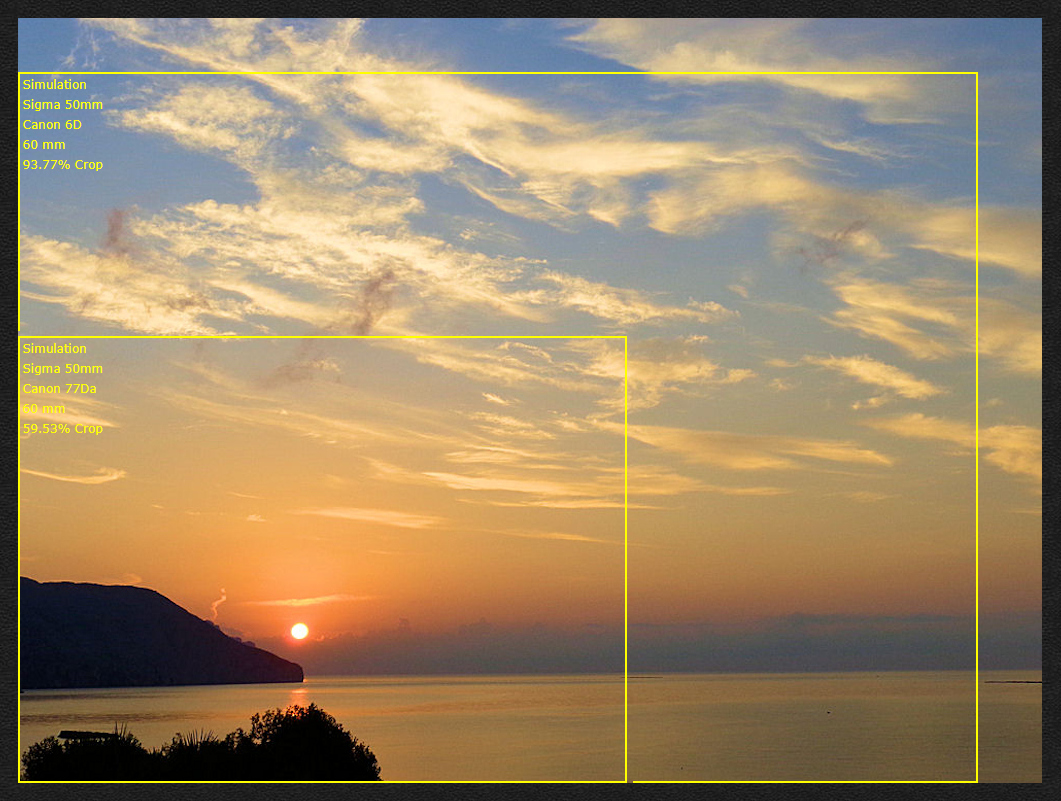
The crop factor of an APS-C sensor magnifies smaller or more distant subjects in the frame, increasing the
effective focal length of any lens by 1.6x. This can be advantageous for smaller objects such as galaxies
in astro photography.
So, just start with what you have!
The easiest way to take photos of the starry sky is to use a camera without a telescope.
You simply leave the lens on your camera body.
The camera should be able to set an exposure time of any length. As autofocus on most cameras doesn't work
well in the dark, especially when focusing stars or planets, your camera should have a manual focusing
capability and a live view function
to make focusing easier. To capture and
develop best color of the sky you shoot your images in RAW format with ISO 400 - 800.
Since due to the rotation of the Earth, each celestial object moves 0.25° to the west per minute,
you have to guide the camera if you don't want any streaks as a result.
With a 50mm lens, you can expose for about 10 seconds before a star is no longer depicted as a point.
The longer the focal length, the shorter the exposure time must be.
|
|
Modifying the DSLR Camera for Astrophotography
What is the advantage of an Astro-modified camera?
DSLRs are designed to mimic the human eye's response to light. Our eyes are sensitive to a narrow region of the
electromagnetic spectrum, from violet to deep red. DSLRs are designed to mimic this response to produce an image
that closely reproduces what we see in everyday life.
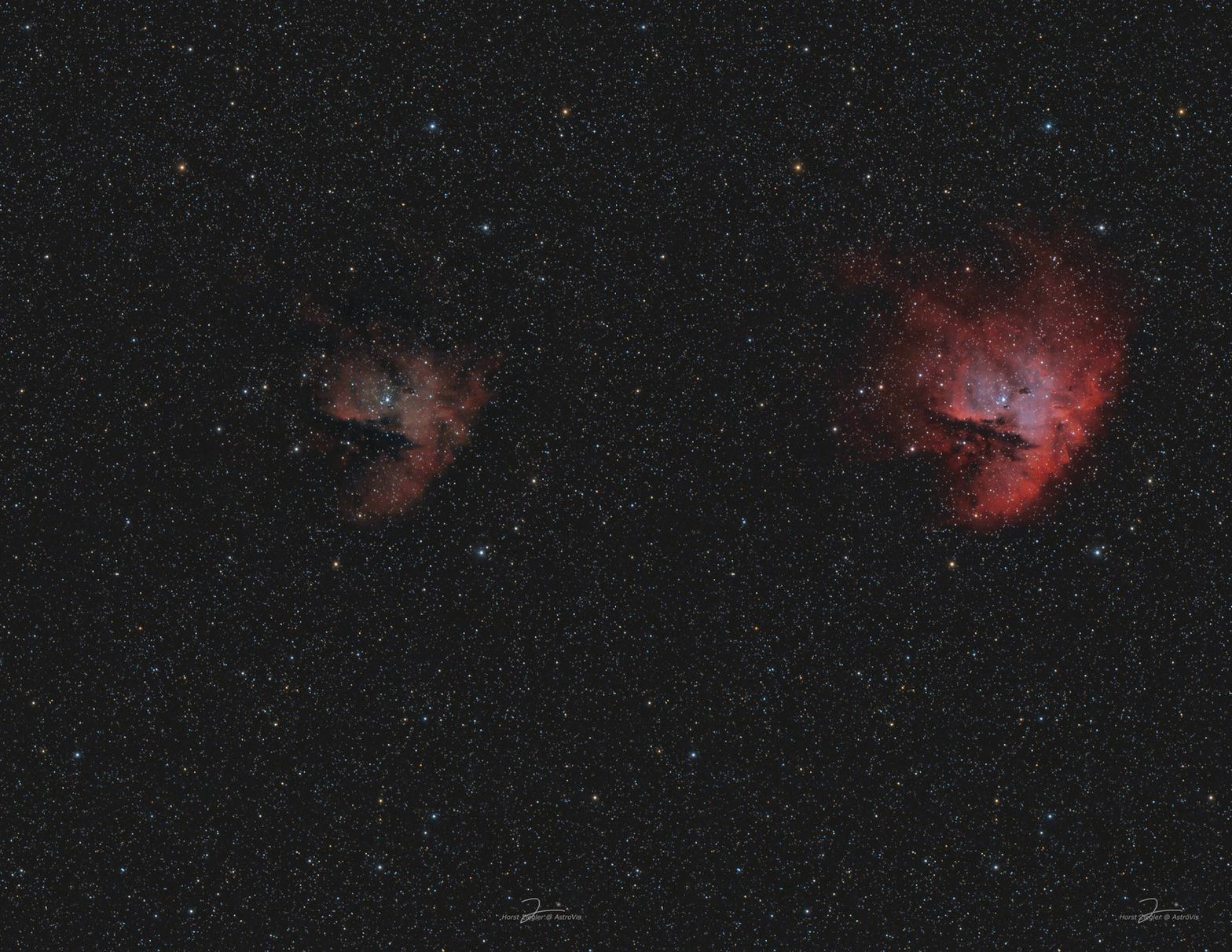
Commercially available digital cameras therefor have a significant disadvantage: With the H-alpha line, which is
important in astronomy, their sensitivity is only very low (1...3%). The light from the beautiful red hydrogen
nebula does not make it to the chip because the light of these wavelengths is blocked by a filter in the camera
in order to get a clean color balance in normal, everyday photography. By removing the camera's internal
infrared (IR) cut filter, the sensitivity in the red is significantly increased, turning the camera into
an "astrocamera"!
With this modification, you will need an additional Original White Balance filter if you intend on doing regular
photography during the daytime. An example of Original White Balance (OWB) filter is the Astronomik OWB Clip
filter, which can be used with Canon EF Lenses.
|
|
Camera Lenses
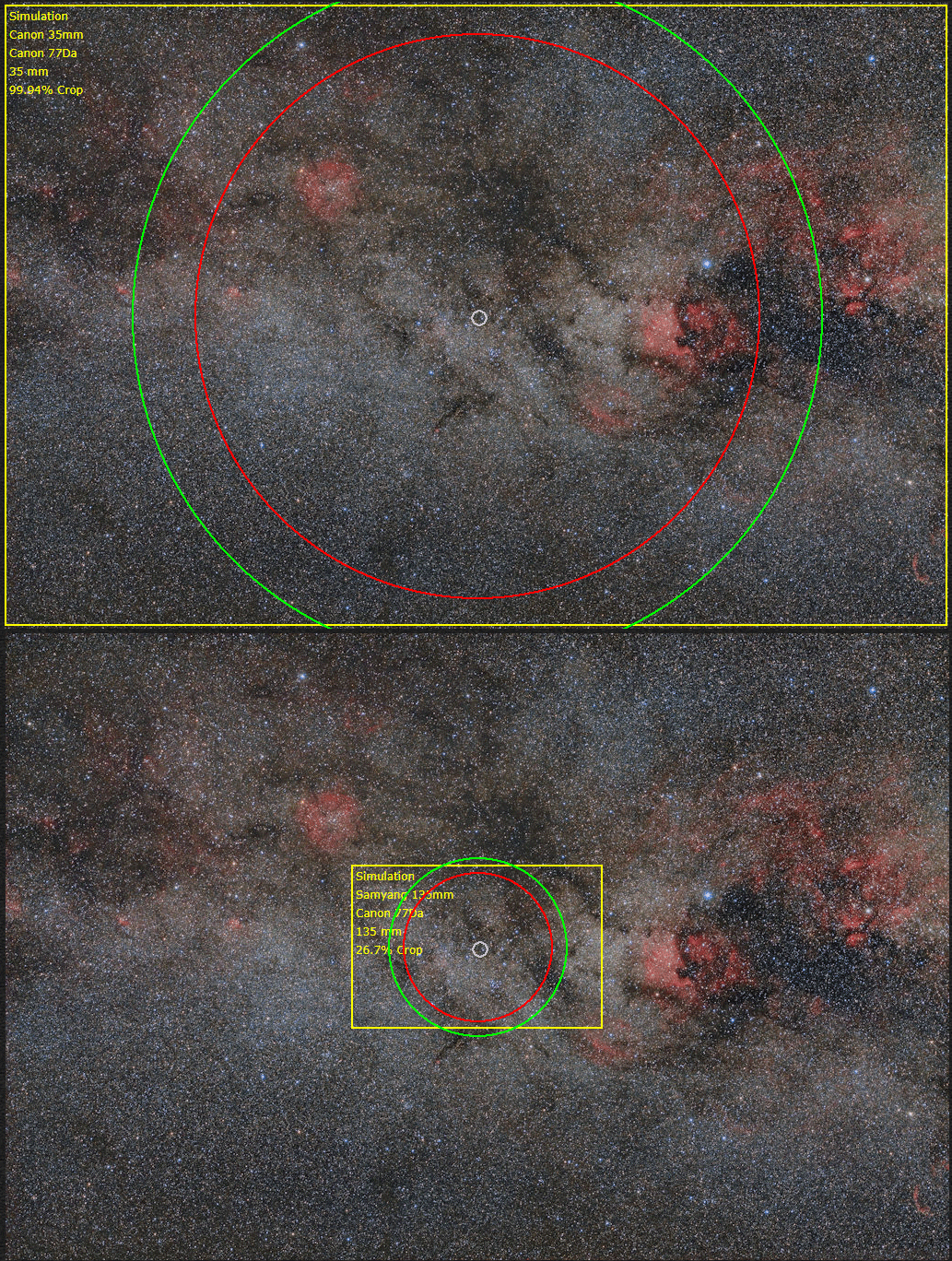
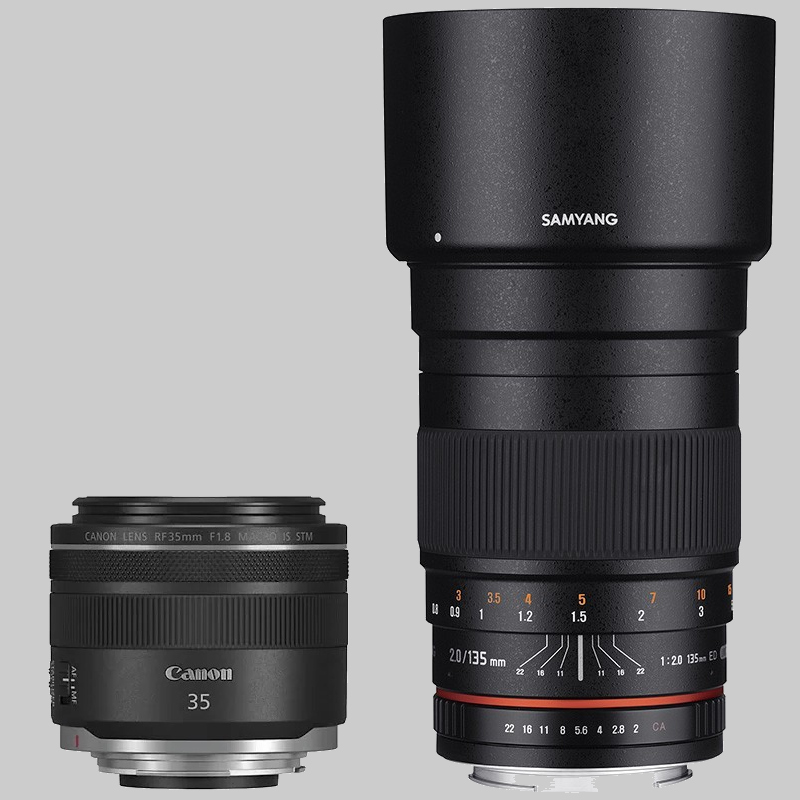
Your camera lens's focal length determines what kind of astrophotographs you can capture. Wide-field images - i.e.
images of the Milky Way galaxy stretching across a great area of sky and maybe the foreground and landscape, as
well - are accessible to almost any photographer. Deep sky images - stunning photos of distant nebula and
galaxies - often require specialized equipment beyond a camera and lens.
The focal length of the lens and the sensor size of the camera determine the field of view of that cameralens
combination. The resulting field of view determines how much of the night sky you are going to capture with
your setup.
The aperture is another key parameter of the lens for astrophotographers. A lens with a small aperture like
f/1.4 is called a fast lens. That means, in a shorter time you collect more light than with a lens with higher
aperture e.g. f/5.6
Last important point is the question if you use a zoom lens or a prime lens. The advantage of being more
flexible in the composition of your target has to be compared with the disadvantage of the higher aperture
of most zoom lenses. I won't compare qualities of lenses here. Autofocus is not important in astrophotography.
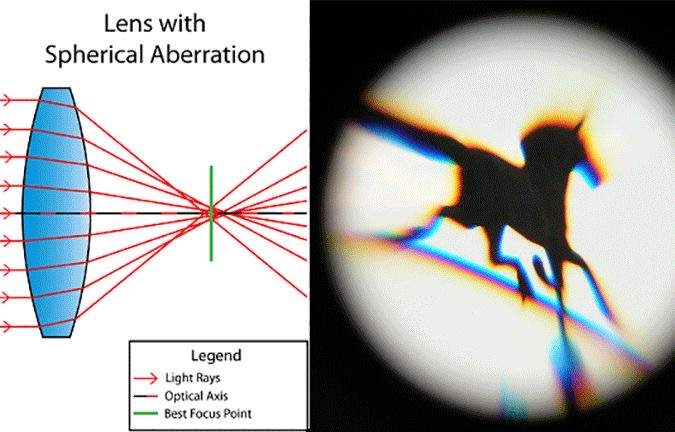
But any lens has optical aberrations, and astrophotographers will always want the lenses with the smallest
optical defects. Ideally, you need a lens with no chromatic or coma aberrations. Pretty much all wide-angle
lenses are affected by coma, and some of them quite heavily.
|
|
Camera Tripods
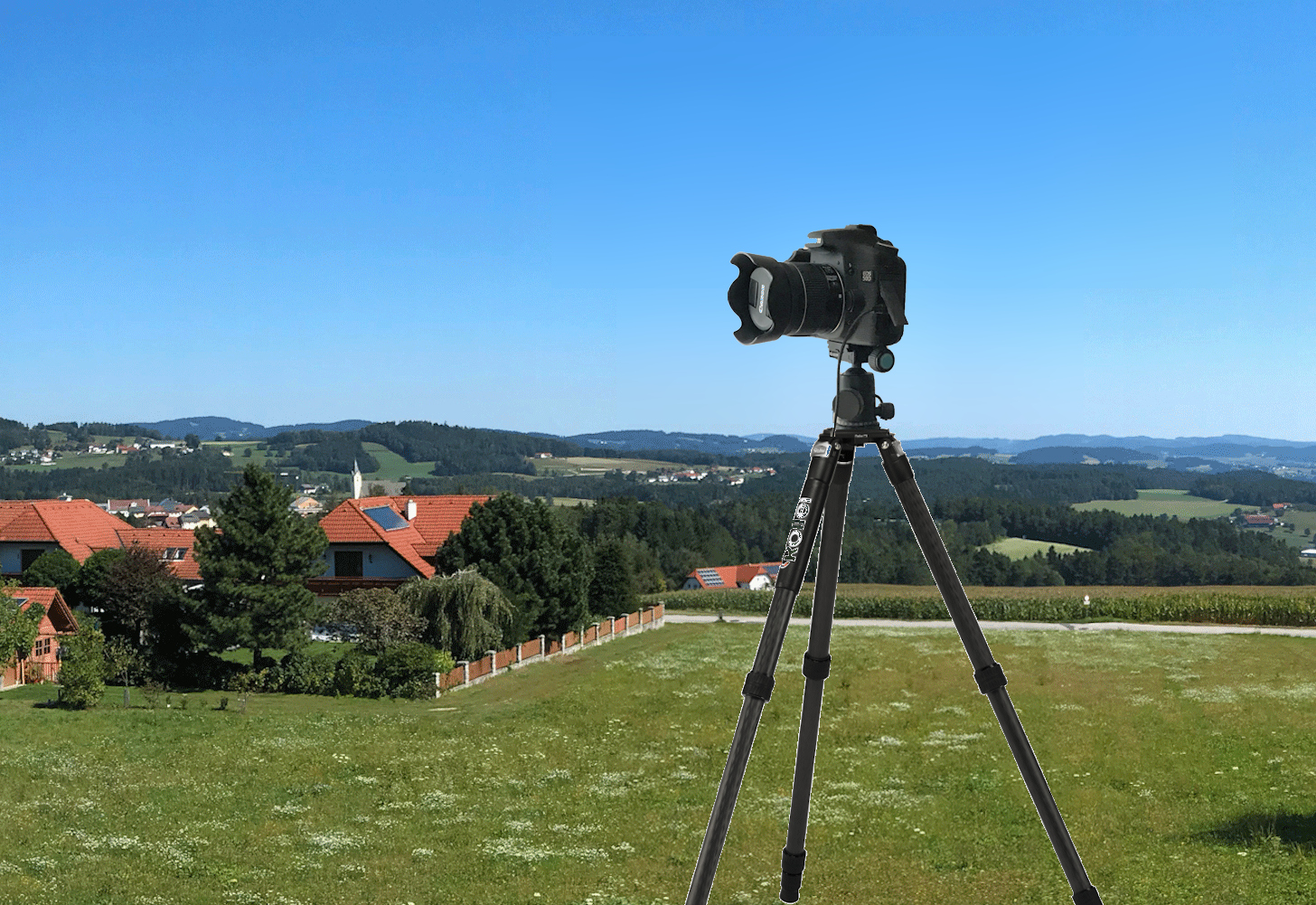
A tripod provides a stable base, reducing camera shake and producing sharper, clearer images. This is especially
important when shooting in low light conditions or using longer shutter speeds. A tripod's stability in
photography is essential and can significantly impact the final product's quality.
Mount the camera onto a photo tripod to get shake-free shots. To keep your whole setup light and mobile,
you should use a lightweight but stable travel tripod for good results. Used in combination with a ballhead
and standard Arca-Swiss mount L-bracket, the attached camera can be quickly mounted to the release plate,
and easily positioned to any object you want to shoot.
|
|
|
|



